Showing posts with label Wet Station. Show all posts

Wednesday, November 22, 2023

Maximizing Efficiency with Wet Stations: A Comprehensive Guide with the aid of Cleatech, LLC

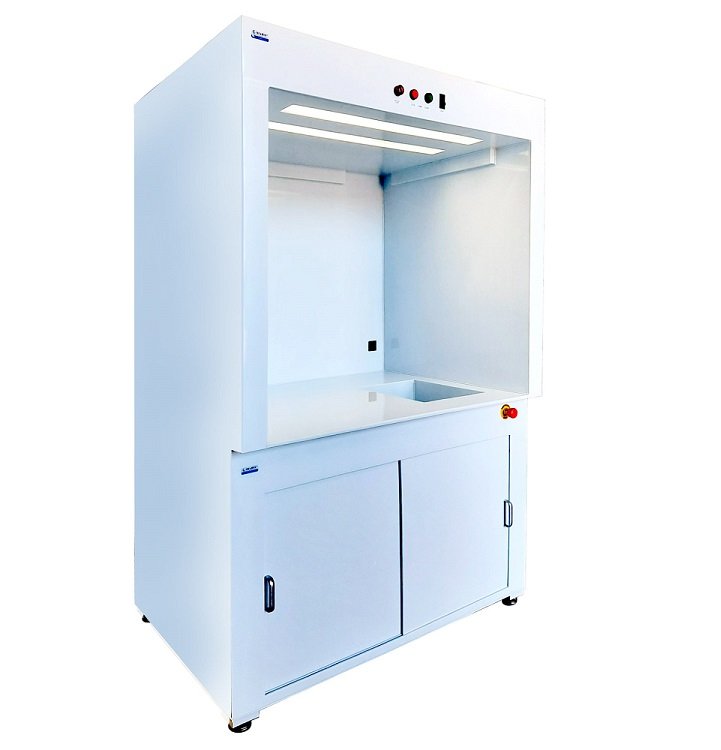
In contemporary dynamic industrial panorama, precision and cleanliness are paramount. Cleatech, LLC is familiar with the significance of retaining a sterile environment, specifically in laboratories and manufacturing centers. That's why we bring you the Wet Station – a progressive answer designed to beautify your workflow and make sure top of the line performance. In this complete guide, we'll delve into the capabilities, benefits, and programs of Cleatech's Wet Station, illustrating how it may raise your operations to new heights.

Understanding Wet Stations:

Wet Stations, also known as moist benches, play a vital role in industries wherein cleanliness and precision are non-negotiable. Cleatech's Wet Stations are meticulously crafted to offer a controlled surroundings for diverse strategies, including wet etching, plating, and chemical managing. These stations are prepared with state-of-the-art features that make them imperative in laboratories, cleanrooms, and production centers.

Key Features of Cleatech's Wet Station:

Chemical Resistance: Cleatech's Wet Stations are engineered with materials that showcase extremely good resistance to a extensive range of chemicals. This ensures longevity and reliability in the face of various business processes.

Customizable Design: Each Wet Station is designed with flexibility in thoughts. Cleatech gives customizable options to tailor the station to your precise necessities, accommodating distinct sizes, configurations, and accessories.

Optimal Containment: The Wet Station provides a secure containment area, preventing the spread of risky substances and making sure the safety of operators. This containment characteristic is vital in environments in which strict protection protocols have to be adhered to.

Efficient Drainage Systems: To keep a clean and efficient workspace, Cleatech Wet Station is equipped with advanced drainage systems. This function allows the quick and powerful removal of beverages, minimizing downtime between strategies.

Applications of Wet Stations:

Cleatech's Wet Stations find application throughout numerous industries:

Laboratories: Ideal for chemical evaluation, wet etching, and other laboratory processes requiring a managed surroundings.

Cleanrooms: Ensures a contaminant-free area for semiconductor manufacturing, pharmaceutical manufacturing, and different touchy operations.

Manufacturing Facilities: Facilitates precision tactics such as electroplating, making sure extremely good output in manufacturing operations.

As you embark on the journey of optimizing your commercial methods, Cleatech's Wet Station sticks out as a reliable associate. Enhance your workflow, make certain precision, and prioritize protection with our cutting-edge Wet Stations. Contact Cleatech LLC today to explore how our customizable solutions can be tailor-made to meet your specific desires. Elevate your operations with Cleatech's Wet Stations – where precision meets innovation.

Conclusion:

In end, Cleatech's Wet Stations are a game-changer for industries that call for precision and cleanliness. With capabilities like chemical resistance, customizable layout, foremost containment, and efficient drainage systems, those stations provide a dependable answer for numerous packages. Invest in Cleatech's Wet Stations to enjoy superior workflow, improved safety, and unprecedented performance for your operations. Contact us these days and take the first step towards elevating your industrial methods to new heights.


Thursday, October 19, 2023

The Ultimate Guide to Wet Stations: Crafting Excellence with Cleatech, LLC

Elevating Laboratory Efficiency and Safety with Cleatech's Wet Stations

https://www.cleatech.com/product-category/wet-benches/

Laboratories play a crucial role in advancing scientific research and technological innovation. Wet stations, in particular, are fundamental in laboratories that deal with chemical processes. Designed to provide a controlled environment for handling liquids and hazardous substances, wet stations are essential tools for a wide range of applications, including chemical analysis, semiconductor manufacturing, and biological research. In this comprehensive guide, we'll delve into the world of wet stations, exploring their significance and how Cleatech, LLC, can enhance your laboratory experience.

Wet Stations Demystified

Wet stations, often referred to as wet benches or wet process stations, are specialized laboratory workspaces equipped to handle wet chemical processes. They are designed with materials and features that ensure safety and precision while working with liquid chemicals. The versatility of wet stations makes them indispensable in laboratories where the processing of chemicals and substances in liquid form is common.

The Cleatech Difference: Quality in Every Detail

At Cleatech, LLC, we are committed to delivering top-tier quality in every aspect of our wet stations. We understand that the materials used and the construction of a wet station are critical to maintaining a clean, safe, and efficient workspace.

https://www.cleatech.com/product-category/wet-benches/

Our wet stations are crafted from high-quality materials such as chemical-resistant polypropylene, stainless steel, and tempered glass. These materials ensure durability, resistance to corrosion, and a long lifespan, even in the most demanding laboratory environments.

Tailoring Wet Stations to Your Needs

Laboratory requirements can vary significantly from one institution to another. At Cleatech LLC, we recognize the importance of customization. Our wet stations are designed to be versatile and adaptable, allowing you to tailor them to meet your specific needs.

Whether you need specific dimensions, additional features, or a fully customized solution, our team can work closely with you to create a wet station that aligns perfectly with your research requirements. We are dedicated to providing you with a laboratory solution that optimizes your research and productivity.

Precision and Efficiency: The Hallmarks of Cleatech's Wet Stations

Wet stations are used for intricate processes that require precision and efficiency. Researchers and scientists rely on these workspaces to carry out experiments and tasks with a high degree of accuracy. Cleatech, LLC, understands this need and ensures that precision and efficiency are at the core of our wet station designs.

Our wet stations feature ergonomic design elements, such as adjustable work surfaces, integrated chemical-resistant sinks, and customizable configurations. These features facilitate a comfortable and efficient workflow, allowing researchers to focus on their experiments rather than wrestling with cumbersome workstations.

Safety: The Highest Priority

Safety is paramount in laboratory settings, particularly when working with hazardous substances and chemicals. Cleatech LLC, adheres to stringent safety standards and guidelines when designing our wet stations.

Our wet stations come equipped with integrated chemical-resistant exhaust systems and fume hoods, which effectively remove harmful fumes and chemical vapors from the workspace. We also provide a range of safety accessories and personal protective equipment to ensure the well-being of laboratory personnel during experiments and processes.

Environmental Responsibility: A Sustainable Approach

Cleatech, LLC, is deeply committed to environmental responsibility. Our wet stations are designed with sustainability in mind. We prioritize the use of energy-efficient components and materials to ensure that your laboratory operates efficiently while minimizing its environmental footprint.

By choosing Cleatech, LLC, you're not only investing in high-quality laboratory equipment but also contributing to a more sustainable and responsible approach to scientific research and industrial processes.

Customer Support Excellence

We understand that ongoing support is vital for a successful laboratory operation. Cleatech, LLC, is proud to offer exceptional customer support, including installation assistance, training, and rapid responses to inquiries and service requests.

Our team of experts is dedicated to ensuring that your experience with our wet stations is nothing short of excellent. We are here to assist you every step of the way, from the initial consultation to ongoing maintenance and service.

In conclusion, Cleatech LLC, is your trusted partner in achieving excellence in laboratory environments. Our unwavering commitment to superior materials, customization, precision, safety, environmental responsibility, and exceptional customer support sets us apart as a leader in the industry.

Ready to elevate your laboratory with Cleatech Wet Stations? Explore our wide range of wet station solutions and take the first step toward a more efficient and productive research environment.

Cleatech, LLC, isn't just a laboratory equipment provider; we are your partner in scientific discovery. Contact us today to experience the difference in quality, precision, and service. Your journey to excellence starts here.

Monday, September 18, 2023

Emerging Technologies and Innovations in Wet Station Design and Functionality


Wet stations are integral components in various industries, including pharmaceuticals, semiconductor manufacturing, biotechnology, and cleanroom environments. They provide controlled environments for processes involving liquids and chemicals, ensuring precision, safety, and contamination control. Over the years, wet station design and functionality have evolved significantly to meet the increasing demands for efficiency, cleanliness, and compliance. In this article, we will explore the emerging technologies and innovations that Cleatech LLC is pioneering in the field of wet station design and functionality. These advancements promise to enhance productivity, reduce operational costs, and improve overall performance.

Modular Wet Stations

Traditional wet stations often come as fixed, permanent installations. However, Cleatech LLC is at the forefront of developing modular wet stations that offer greater flexibility. Modular wet stations are designed with a plug-and-play approach, allowing for easy customization and reconfiguration. This innovation simplifies the process of adapting to changing workflow requirements, reducing downtime and capital investment. Moreover, modular wet stations can be easily relocated, making them an excellent choice for facilities with evolving needs or limited space.

Advanced Material Selection

The choice of materials for wet station construction is crucial in ensuring durability, chemical resistance, and cleanliness. Cleatech LLC is exploring advanced materials such as high-performance plastics and non-corrosive metals that offer superior resistance to harsh chemicals and contaminants. These materials not only extend the lifespan of wet stations but also reduce the risk of contamination, ensuring the integrity of critical processes.

Smart Automation and Integration

Automation and integration are transforming wet station functionality. Cleatech LLC is incorporating smart technology into wet station design, enabling real-time monitoring, data collection, and remote control. This not only enhances operational efficiency but also provides valuable insights into process optimization. Smart wet stations can be seamlessly integrated into existing manufacturing systems, creating a connected ecosystem that streamlines workflows and reduces human error.

Energy-Efficient Design

Sustainability is a key focus in today's industrial landscape. Cleatech LLC is committed to developing energy-efficient wet stations that minimize power consumption without compromising performance. Innovative design features, such as LED lighting, low-power pumps, and efficient ventilation systems, are being integrated into wet stations to reduce energy costs and environmental impact. This aligns with the global push for greener and more sustainable manufacturing practices.

Enhanced Safety Measures

Safety is paramount in wet station design, particularly when handling hazardous chemicals. Cleatech LLC is implementing advanced safety features, including built-in emergency shut-off systems, gas detection sensors, and ergonomic designs to minimize the risk of accidents. These safety measures not only protect personnel but also safeguard valuable equipment and processes.

Cleanroom Compatibility

Many industries, such as semiconductor manufacturing and biotechnology, require wet stations to be installed in cleanroom environments with strict cleanliness standards. Cleatech LLC is developing wet stations that meet or exceed these standards, ensuring that they can be seamlessly integrated into cleanroom facilities without compromising cleanliness levels. This innovation is critical for industries where even the slightest contamination can result in costly product defects or process failures.

Improved Ergonomics

Ergonomics play a vital role in enhancing the efficiency and safety of wet station operators. Cleatech LLC is dedicated to improving the ergonomics of wet station design through adjustable work surfaces, ergonomic seating options, and user-friendly controls. By reducing operator fatigue and discomfort, these innovations contribute to higher productivity and a healthier work environment.

Contamination Control

Contamination control remains a top priority in wet station design. Cleatech LLC is pioneering the development of advanced filtration and purification systems to ensure that the fluids used in wet stations meet the highest purity standards. This includes the integration of ultra-pure water systems and filtration technologies that remove particles and impurities down to the nanoscale. These measures are particularly important in industries like semiconductor manufacturing, where even minute contaminants can lead to costly defects.

3D Printing and Rapid Prototyping

The use of 3D printing and rapid prototyping techniques has revolutionized wet station design. Cleatech LLC is leveraging these technologies to create highly customized wet station components quickly and cost-effectively. This allows for the rapid development of prototypes and the ability to fine-tune designs based on specific customer requirements. 3D printing also enables the creation of complex and intricate parts that were previously challenging to manufacture using traditional methods.

Augmented Reality (AR) Training

Training personnel to operate wet stations effectively is essential for smooth operations and safety. Cleatech LLC is exploring the use of augmented reality (AR) for training purposes. AR technology provides interactive and immersive training experiences, allowing operators to learn how to use wet stations through virtual simulations. This not only accelerates the learning process but also reduces the risk of errors during actual operations.

Remote Maintenance and Support

To minimize downtime and ensure the continuous operation of wet stations, Cleatech LLC is developing remote maintenance and support solutions. These solutions enable technicians to diagnose and resolve issues remotely, reducing the need for on-site visits. This not only saves time but also reduces maintenance costs and minimizes disruptions to production.

Compliance and Validation

In highly regulated industries like pharmaceuticals and biotechnology, compliance with industry standards and regulations is non-negotiable. Cleatech LLC is integrating compliance and validation features into wet station designs, including comprehensive documentation, traceability, and audit trails. These features simplify the validation process, ensuring that wet stations meet the stringent requirements of regulatory authorities.

Customization and Tailored Solutions

Every industry and application has unique requirements when it comes to wet stations. Cleatech LLC recognizes the importance of offering customized and tailored solutions to meet these specific needs. Whether it's the size, configuration, or functionality, Cleatech LLC works closely with customers to design wet stations that align with their precise requirements.

Sustainable Manufacturing

Sustainability is not limited to energy efficiency; it also extends to the manufacturing process itself. Cleatech LLC is committed to reducing waste and environmental impact by optimizing the manufacturing process of wet stations. This includes using recyclable materials, minimizing packaging waste, and implementing eco-friendly production methods.

Collaboration and Industry Partnerships

Cleatech LLC understands that innovation often thrives through collaboration. To stay at the forefront of emerging technologies and innovations in wet station design and functionality, the company actively seeks partnerships with research institutions, industry experts, and technology providers. These collaborations enable Cleatech LLC to leverage the latest advancements and integrate them into their wet station solutions.

Conclusion

As industries continue to evolve and demand higher levels of precision, cleanliness, and efficiency, Cleatech LLC remains dedicated to pushing the boundaries of wet station design and functionality. The emerging technologies and innovations discussed in this article reflect Cleatech LLC's commitment to providing cutting-edge solutions that meet the diverse needs of its customers across various industries.

From modular designs and smart automation to advanced materials and sustainability measures, Cleatech LLC is shaping the future of wet station technology. These innovations not only enhance productivity and safety but also contribute to a more sustainable and environmentally responsible manufacturing landscape. As Cleatech LLC continues to drive progress in wet station design and functionality, it will undoubtedly play a pivotal role in shaping the future of industries that rely on these critical components.

Original Sources: https://getb2news.com/emerging-technologies-and-innovations-in-wet-station-design-and-functionality/

Evolution of Wet Bench Technology for Advancing Semiconductor Manufacturing


Semiconductor manufacturing is at the heart of modern technology, powering devices that have transformed the way we live and work. From smartphones to computers, medical equipment to automobiles, semiconductors are an integral part of our daily lives. The relentless demand for smaller, faster, and more efficient electronic components has driven the evolution of semiconductor manufacturing processes, and wet bench technology has played a crucial role in this journey.

Wet bench technology, also known as wet processing equipment, refers to the tools and systems used in semiconductor fabrication for chemical processing of semiconductor wafers. These processes are fundamental to building transistors, capacitors, and interconnects on a wafer, forming the building blocks of integrated circuits (ICs). Over the years, wet bench technology has evolved significantly to meet the ever-increasing demands for precision, efficiency, and cost-effectiveness in semiconductor manufacturing.

In this comprehensive exploration, we will delve into the evolution of wet bench technology, highlighting its key advancements and contributions to semiconductor manufacturing processes. This journey will provide insights into how Cleatech LLC and other industry leaders have propelled this technology forward, ultimately shaping the semiconductor industry as we know it today.

Early Beginnings of Wet Bench Technology

Wet bench technology has its roots in the early days of semiconductor manufacturing, which began in the mid-20th century. During this period, the processes involved in semiconductor fabrication were relatively simple, and wet bench technology primarily consisted of basic chemical baths for etching, cleaning, and developing semiconductor wafers.

One of the earliest wet bench processes was the RCA clean, developed by researchers at RCA Corporation in the 1960s. This process involved a series of chemical baths, including deionized water, hydrogen peroxide, and ammonium hydroxide, to remove contaminants from silicon wafers. While rudimentary by today's standards, the RCA clean was a significant advancement at the time, enabling the production of cleaner and more reliable semiconductor devices.

Transition to Automated Wet Processing Equipment

The 1970s marked a pivotal period in the evolution of wet bench technology as semiconductor manufacturing scaled up to meet growing demand. The need for greater precision, repeatability, and throughput led to the development of automated wet processing equipment. These systems replaced manual handling of wafers and chemicals, reducing the risk of contamination and improving overall efficiency.

Automated wet bench technology introduced features such as robotic wafer handling, chemical dispensing systems, and advanced control systems. Cleatech LLC, alongside other industry leaders, played a crucial role in developing and refining these automated systems. These advancements not only improved the quality of semiconductor manufacturing but also made the process safer for operators.

Advanced Materials and Chemicals

As semiconductor manufacturing continued to evolve, so did the materials and chemicals used in wet bench processes. The demand for smaller feature sizes and increased transistor density led to the adoption of new materials like high-k dielectrics and advanced photoresists. Wet bench technology had to adapt to handle these materials effectively.

Advanced wet processing equipment was designed to accommodate a wider range of chemicals and handle the complexities of chemistries involved in semiconductor fabrication. Cleatech LLC, in particular, played a significant role in providing customizable wet bench solutions to meet the unique needs of semiconductor manufacturers, ensuring compatibility with a variety of chemicals and materials.

Cleanroom Integration and Contamination Control

Cleanroom environments are critical in semiconductor manufacturing to minimize contamination and ensure the quality of semiconductor devices. Wet bench technology had to evolve to integrate seamlessly with cleanroom facilities, maintaining strict cleanliness standards.

Cleatech LLC, in collaboration with cleanroom experts, developed specialized wet bench solutions that featured laminar flow hoods, particle control systems, and chemical fume hoods. These innovations allowed semiconductor manufacturers to maintain the highest levels of cleanliness and contamination control while conducting wet processing steps.

Process Control and Monitoring

The semiconductor industry's relentless pursuit of precision and reliability necessitated the development of advanced process control and monitoring systems for wet bench technology. These systems offered real-time feedback and adjustments, ensuring that each wafer underwent precise processing.

Cleatech LLC, among others, integrated cutting-edge control systems into their wet bench equipment, allowing for tight control over process parameters such as chemical concentrations, temperatures, and immersion times. This level of control was essential for achieving consistent and repeatable results in semiconductor manufacturing.

Environmental Considerations and Sustainability

As the semiconductor industry continued to grow, environmental concerns and sustainability became increasingly important. Wet bench technology had to adapt to address these issues by reducing chemical usage, waste generation, and energy consumption.

Cleatech LLC took a proactive approach to sustainability by developing closed-loop recirculation systems that minimized chemical consumption and reduced wastewater generation. Additionally, the company explored alternative chemistries and processes that were more environmentally friendly while maintaining high-quality results.

Miniaturization and Advanced Packaging

The demand for smaller, more powerful electronic devices led to a focus on miniaturization and advanced packaging techniques. Wet bench technology played a vital role in enabling these advancements by supporting processes such as through-silicon via (TSV) formation, wafer thinning, and 3D packaging.

Cleatech LLC and other industry leaders developed specialized wet bench equipment tailored to these emerging processes. This included precision wafer handling systems, advanced etching and deposition capabilities, and innovative rinsing and drying techniques to ensure the reliability of miniaturized semiconductor devices.

Industry 4.0 Integration

The concept of Industry 4.0, characterized by the integration of digital technologies into manufacturing processes, had a profound impact on semiconductor manufacturing, including wet bench technology. The use of data analytics, artificial intelligence, and the Internet of Things (IoT) transformed how wet bench equipment was operated and maintained.

Cleatech LLC embraced Industry 4.0 principles by incorporating smart sensors and connectivity into their wet bench systems. This allowed for real-time data collection and analysis, predictive maintenance, and remote monitoring, resulting in improved equipment uptime and efficiency.

Customization and Flexibility

The diversity of semiconductor manufacturing processes, materials, and chemistries required wet bench technology to be highly customizable and adaptable. Cleatech LLC recognized this need and invested in developing flexible wet bench solutions that could be tailored to meet the specific requirements of different semiconductor manufacturers.

Customization options included the ability to configure wet bench systems for specific chemical processes, wafer sizes, and cleanroom layouts. This level of flexibility ensured that semiconductor manufacturers could optimize their wet processing operations for maximum efficiency and yield.

Future Directions and Challenges

As we look ahead, the evolution of wet bench technology in semiconductor manufacturing is far from over. Several key challenges and opportunities lie on the horizon:

a. Advanced Materials: The development of new materials for semiconductor devices, such as quantum dots and 2D materials, will require wet bench technology to adapt to their unique processing requirements.

b. Environmental Sustainability: The semiconductor industry will continue to seek greener and more sustainable manufacturing practices, challenging wet bench technology to minimize its environmental footprint further.

c. Extreme Miniaturization: As semiconductor devices continue to shrink, wet bench technology will need to support even smaller feature sizes and greater levels of integration.

d. 3D Integration: 3D stacking and packaging techniques will become more prevalent, necessitating wet processing equipment capable of handling complex 3D structures.

e. Industry Collaboration: Collaboration between equipment manufacturers like Cleatech LLC and semiconductor companies will be crucial to developing solutions that meet the evolving needs of the industry.

Conclusion

Wet bench technology has come a long way since its early days as a simple chemical processing tool in semiconductor manufacturing. It has evolved in response to the ever-increasing demands for precision, efficiency, and sustainability in the semiconductor industry. Companies like Cleatech LLC have been at the forefront of this evolution, driving innovations that have shaped the semiconductor manufacturing landscape.

From manual chemical baths to highly automated, customizable, and environmentally conscious wet bench solutions, the journey of wet bench technology has been marked by continuous improvement and adaptation. As semiconductor manufacturing continues to advance, wet bench technology will remain a critical component, enabling the production of smaller, faster, and more powerful semiconductor devices that power the technologies of tomorrow.

Original Sources: https://oppions.com/2023/09/13/evolution-of-wet-bench-technology-for-advancing-semiconductor-manufacturing/

Exploring the Key Components and Functions of a Wet Bench in Research and Industrial Settings


In research and industrial laboratories, the need for specialized equipment to handle chemical processes and experiments is paramount. One such essential piece of equipment is the wet bench. Wet benches play a pivotal role in a wide range of scientific disciplines, from semiconductor manufacturing to biochemical research. This article will delve into the key components and functions of a wet bench in a research or industrial setting, shedding light on its critical role in facilitating various laboratory processes.

I. Wet Bench Overview                      

Before delving into its components and functions, let's establish a basic understanding of what a wet bench is. A wet bench, also known as a wet station or wet processing station, is a specialized laboratory workstation designed for tasks involving wet chemicals. These tasks may include chemical etching, cleaning, rinsing, plating, or other wet processes that require precision, control, and safety. Wet benches are commonly found in industries such as semiconductor manufacturing, microelectronics, photovoltaics, biotechnology, and materials science, where handling liquids and chemicals is fundamental to the research or production process.

II. Key Components of a Wet Bench

A wet bench is a complex piece of equipment with several components that work together to ensure the safe and efficient execution of wet processes. Here are the key components of a wet bench:

Work Surface: The work surface of a wet bench is typically made of chemically resistant materials such as polypropylene, Teflon, or stainless steel. It provides a stable and durable platform for conducting wet processes.

Sink and Drain: A sink is an integral part of the wet bench, allowing users to rinse and dispose of chemicals safely. The drain system is designed to channel chemical waste away from the workspace, ensuring a clean and safe environment.

Fume Hood: Many wet benches are equipped with fume hoods or exhaust systems to remove potentially hazardous fumes and vapors generated during wet processes. This is crucial for maintaining a safe working environment and complying with safety regulations.

Chemical Storage and Dispensing: Wet benches often feature storage cabinets or shelves for chemicals, as well as dispensing systems that allow precise measurement and distribution of chemicals during experiments or processes.

Plumbing and Piping: Wet benches are connected to a plumbing system that provides a continuous supply of water and other fluids. Piping networks allow for the controlled delivery of chemicals and gases to specific areas of the bench.

Controls and Monitoring: Wet benches are equipped with control panels that enable users to adjust process parameters such as temperature, flow rates, and mixing ratios. Monitoring instruments may include pH meters, conductivity meters, and temperature sensors to ensure process accuracy.

Safety Features: Safety is a top priority in wet bench design. Safety features may include emergency shut-off switches, eye wash stations, fire extinguishers, and chemical spill containment measures.

Workstation Accessories: Various accessories, such as adjustable shelving, lighting, and ergonomic chairs, enhance the usability and efficiency of the wet bench.

III. Functions of a Wet Bench

Now that we've covered the key components, let's explore the vital functions of a wet bench in a research or industrial setting:

Chemical Preparation: Wet benches serve as a workspace for preparing chemical solutions and reagents with precision. Researchers can mix, dilute, and store chemicals conveniently within the bench, ensuring accuracy in their experiments.

Sample Preparation: In many scientific disciplines, sample preparation is a critical step. Wet benches provide the necessary infrastructure for cleaning, etching, or coating samples, which is crucial in semiconductor manufacturing, materials science, and microelectronics.

Chemical Etching: In semiconductor fabrication, wet benches are used for chemical etching processes, which involve selectively removing layers of material from silicon wafers or other substrates. This precise technique is used to create integrated circuits and microstructures.

Cleaning and Rinsing: Wet benches are equipped with sinks and rinsing stations for thorough cleaning and rinsing of samples, equipment, or glassware. Cleanliness is essential in ensuring the accuracy and reliability of experiments and manufacturing processes.

Plating and Deposition: Wet benches are employed in electroplating and chemical deposition processes, which are common in microelectronics and materials science. These processes involve adding thin layers of materials to substrates with high precision.

Chemical Analysis: Researchers use wet benches to prepare samples for chemical analysis techniques such as spectroscopy, chromatography, and microscopy. Proper sample preparation ensures accurate and reproducible results.

Safety and Environmental Compliance: Wet benches are designed with safety in mind. They incorporate features to protect users from chemical exposure and prevent environmental contamination through effective chemical waste disposal systems.

Process Control and Monitoring: Wet benches enable precise control over process parameters, such as temperature and flow rates, ensuring that experiments and processes are carried out under controlled conditions. Monitoring instruments provide real-time data for quality assurance.

Customization: Wet benches are often customizable to meet the specific needs of different industries and research applications. Researchers can adapt the bench to accommodate different chemical processes and experimental setups.

Quality Assurance: In industrial settings, wet benches play a crucial role in quality assurance. They help ensure that manufacturing processes meet strict quality standards by enabling precise control and monitoring of chemical processes.

Versatility: Wet benches are versatile workstations that can be used for a wide range of wet processes, making them a cost-effective solution for laboratories and manufacturing facilities with diverse research or production needs.

IV. Types of Wet Benches

Wet benches come in various configurations and designs to cater to specific applications. Here are some common types of wet benches:

Single-Basin Wet Bench: This type of wet bench has a single work surface with a sink and drain, making it suitable for basic wet processes and sample preparation.

Double-Basin Wet Bench: Double-basin wet benches feature two sinks and drains, allowing for more complex processes that require separate rinse and cleaning steps.

Isolation Wet Bench: Isolation wet benches are designed to minimize contamination by providing a controlled environment, often with laminar flow hoods and additional safety measures.

Chemical Fume Hood Wet Bench: These wet benches incorporate fume hoods to capture and exhaust hazardous fumes generated during processes.

Cleanroom Wet Bench: Cleanroom wet benches are designed for use in cleanroom environments, where stringent cleanliness and contamination control are required.

Custom Wet Bench: Many manufacturers offer custom wet bench solutions tailored to the unique requirements of a particular industry or research application.

V. Safety Considerations

Safety is paramount when working with wet benches, given the potential hazards associated with handling chemicals and the creation of hazardous fumes. Here are some important safety considerations:

Chemical Compatibility: Ensure that the wet bench materials and components are compatible with the chemicals being used. Chemical-resistant materials should be used for wet bench construction.

Proper Ventilation: Adequate ventilation, including fume hoods and exhaust systems, is essential to remove hazardous fumes and maintain a safe working environment.

Personal Protective Equipment (PPE): Users should wear appropriate PPE, including lab coats, gloves, safety goggles, and respiratory protection if necessary.

Emergency Response: Familiarize yourself with the location of emergency equipment such as eyewash stations, emergency showers, and fire extinguishers.

Chemical Spill Response: Have a well-defined plan and materials for responding to chemical spills, and ensure that spill containment measures are in place.

Training: Proper training and education on the safe use of wet benches and chemicals are imperative for all users.

Regular Maintenance: Routine maintenance and inspections of wet benches are essential to identify and address any safety concerns or equipment malfunctions.

VI. Conclusion

In summary, wet benches are indispensable tools in research and industrial settings where wet chemical processes are prevalent. Their key components, ranging from work surfaces and sinks to advanced controls and safety features, enable researchers and engineers to carry out precise and controlled wet processes. The functions of wet benches encompass chemical preparation, sample preparation, etching, cleaning, plating, and chemical analysis, among others, making them versatile workstations in various scientific disciplines.

When working with wet benches, safety must always be a top priority. Proper ventilation, chemical compatibility, personal protective equipment, and emergency response measures are essential to ensure the well-being of laboratory personnel and the integrity of experiments or manufacturing processes.

As technology advances and research requirements evolve, wet bench designs continue to adapt to meet the changing needs of industries such as microelectronics, materials science, and biotechnology. Whether used in the development of cutting-edge semiconductor devices or in fundamental biochemical research, wet benches remain an indispensable resource for scientists and engineers pushing the boundaries of knowledge and innovation.

Original Sources: https://gudstory.net/2023/09/13/exploring-the-key-components-and-functions-of-a-wet-bench-in-research-and-industrial-settings/