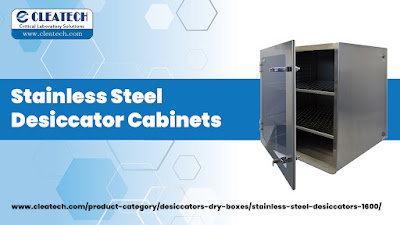
Showing posts with label Stainless Steel Desiccator Cabinets. Show all posts

Thursday, June 18, 2026

Why Use a Stainless Steel Desiccator Cabinet for Sensitive Storage?


When you work with moisture-sensitive materials, proper storage is not optional—it is essential. Even small amounts of humidity can damage valuable samples, compromise product quality, and affect research accuracy. Whether you manage a laboratory, manufacturing facility, pharmaceutical operation, or electronics workspace, protecting sensitive materials from environmental exposure should be a top priority.

A stainless steel desiccator cabinet provides a reliable solution for maintaining controlled storage conditions. Designed to reduce moisture exposure and preserve the integrity of stored items, these cabinets help you maintain consistent quality while extending the lifespan of critical materials.

Understanding the Role of a Stainless Steel Desiccator Cabinet

A desiccator cabinet is a sealed storage enclosure that protects contents from moisture and contamination. Unlike standard storage cabinets, it is specifically designed to create a low-humidity environment. Stainless steel construction adds durability, corrosion resistance, and long-term performance.

By investing in a high-performance Stainless Steel Desiccator Cabinet for moisture-sensitive laboratory storage, you can create a dependable storage environment for valuable materials that require protection from humidity fluctuations.

Why Moisture Control Matters

Humidity can negatively affect a wide range of materials and products. Even brief exposure may lead to:

  • Material degradation
  • Oxidation and corrosion
  • Reduced product shelf life
  • Contaminated samples
  • Inaccurate testing results
  • Electronic component failure

If your organization handles pharmaceuticals, chemicals, optical devices, electronics, or precision instruments, controlling moisture becomes critical for maintaining quality standards and operational efficiency.

Benefits of Using a Stainless Steel Desiccator Cabinet

Superior Corrosion Resistance

One of the biggest advantages of stainless steel is its resistance to rust and corrosion. Storage equipment often operates in environments where exposure to chemicals, cleaning agents, or humidity is common.

A stainless steel cabinet maintains its structural integrity over time, reducing maintenance requirements and extending equipment life.

Enhanced Durability

Sensitive storage applications require equipment that can withstand daily use. Stainless steel is highly durable and resistant to dents, impacts, and wear.

This durability makes desiccator cabinets ideal for laboratories, cleanrooms, manufacturing facilities, and research centers where reliability is essential.

Improved Cleanliness and Hygiene

Smooth stainless steel surfaces are easy to clean and sanitize. This feature is particularly valuable in industries where contamination control is critical.

You can quickly remove dust, residues, and particles, helping maintain cleaner storage conditions for sensitive materials.

Stable Low-Humidity Environment

The primary purpose of a desiccator cabinet is humidity control. Properly designed cabinets use airtight construction and desiccant systems to maintain low moisture levels.

This controlled environment helps protect:

  • Electronic components
  • Medical devices
  • Laboratory samples
  • Optical equipment
  • Specialty chemicals
  • Precision instruments

Long-Term Cost Savings

While high-quality storage equipment may require a larger initial investment, it often reduces replacement costs, product loss, and maintenance expenses.

Protecting sensitive inventory from moisture damage can save significant resources over time and improve operational efficiency.

Applications Across Industries

Laboratories and Research Facilities

Research samples often require precise environmental conditions. A desiccator cabinet helps maintain sample integrity and supports accurate experimental results.

Pharmaceutical Manufacturing

Many pharmaceutical materials are highly sensitive to moisture. Controlled storage helps preserve product stability and supports regulatory compliance.

Electronics Production

Electronic components can suffer corrosion and performance issues when exposed to humidity. Desiccator cabinets provide protection during storage and production processes.

Aerospace and Defense

Precision components used in aerospace applications often require strict environmental controls. Moisture-free storage helps maintain reliability and performance standards.

Medical Device Storage

Medical devices and related materials benefit from controlled environments that minimize contamination and environmental degradation.

Features to Look for When Selecting a Cabinet

Not all desiccator cabinets offer the same performance. Before making a purchase, consider the following features:

Airtight Construction

Look for high-quality seals and gaskets that minimize moisture infiltration.

Adjustable Shelving

Flexible storage configurations allow you to accommodate different materials and equipment sizes.

Humidity Monitoring

Integrated humidity gauges help you verify environmental conditions and maintain storage consistency.

Stainless Steel Build Quality

Choose cabinets manufactured from high-grade stainless steel for maximum durability and corrosion resistance.

Capacity Requirements

Evaluate current and future storage needs to ensure adequate space for your materials.

Choosing a Trusted Manufacturer

The effectiveness of a desiccator cabinet depends heavily on its design and construction quality. Working with an experienced manufacturer helps ensure reliable performance and long-term value.

Many laboratories and industrial facilities trust products from CleaTech LLC because of their expertise in controlled-environment equipment and customized storage solutions.

When selecting equipment, prioritize manufacturers with proven industry experience, quality materials, and a reputation for dependable performance.

Best Practices for Maximizing Storage Performance

To get the most value from your desiccator cabinet:

  • Monitor humidity levels regularly.
  • Replace or regenerate desiccants as recommended.
  • Keep cabinet doors closed whenever possible.
  • Inspect seals and gaskets periodically.
  • Clean interior surfaces routinely.
  • Avoid overloading shelves.

These simple practices help maintain optimal storage conditions and extend cabinet lifespan.

Conclusion

If your work involves moisture-sensitive materials, investing in a stainless steel desiccator cabinet is a practical and effective decision. Its corrosion-resistant construction, durability, cleanliness, and humidity-control capabilities make it an essential storage solution for laboratories, pharmaceutical facilities, electronics manufacturers, and research organizations.

A durable Stainless Steel Desiccator Cabinet for protecting sensitive laboratory materials helps safeguard valuable inventory, improve operational reliability, and reduce costly losses caused by moisture exposure.

For expert guidance on selecting the right storage solution for your application, Contact us today and explore options designed to meet your specific environmental control requirements.

Frequently Asked Questions

What is a stainless steel desiccator cabinet used for?

A stainless steel desiccator cabinet is used to store moisture-sensitive materials in a controlled low-humidity environment, helping protect them from degradation, contamination, and humidity-related damage.

Why is stainless steel preferred for desiccator cabinets?

Stainless steel offers excellent corrosion resistance, durability, and ease of cleaning, making it ideal for laboratory, pharmaceutical, and industrial environments.

Can a desiccator cabinet protect electronic components?

Yes. Desiccator cabinets help prevent moisture-induced corrosion and performance issues in electronic parts, circuit boards, and precision components.

How do desiccator cabinets control humidity?

They use airtight construction and desiccant systems to remove moisture from the storage environment and maintain low humidity levels.

What industries commonly use stainless steel desiccator cabinets?

Common industries include pharmaceuticals, electronics manufacturing, medical device production, aerospace, research laboratories, and quality-control facilities.

How often should desiccants be replaced?

Replacement frequency depends on cabinet usage, humidity levels, and desiccant type. Regular monitoring helps determine when regeneration or replacement is needed.

Thursday, March 26, 2026

How Stainless Steel Desiccator Cabinet Enhances Long-Term Storage

When you need to protect sensitive materials over extended periods, moisture control becomes a critical factor. Even slight humidity fluctuations can degrade chemicals, damage electronics, or compromise research samples. That’s where a stainless steel desiccator cabinet becomes an essential part of your storage strategy. By creating a controlled, low-humidity environment, you ensure that your valuable materials remain stable, usable, and contamination-free for the long term.

Why Long-Term Storage Needs Precision

You might already use sealed containers or silica gel packs, but these methods often fall short for long-term storage. Over time, environmental exposure, material permeability, and inconsistent sealing can allow moisture to creep in. This is especially problematic when you are dealing with:

  • Hygroscopic chemicals
  • Sensitive electronic components
  • Pharmaceutical samples
  • Precision instruments
  • Archival materials

A stainless steel desiccator cabinet gives you a more reliable and scalable solution. Instead of relying on temporary fixes, you create a consistent environment designed specifically for moisture-sensitive storage.

How Stainless Steel Construction Makes a Difference

When you choose a cabinet made from stainless steel, you’re investing in durability and performance. Unlike plastic or standard metal cabinets, stainless steel offers:

Corrosion resistance: Ideal for humid or chemically active environments

Structural integrity: Maintains airtight conditions over time

Ease of cleaning: Reduces contamination risks

Longevity: Performs reliably for years without degradation

This means you don’t just store your materials—you protect them in a stable, long-term system that won’t fail under demanding conditions.

Maintaining Ultra-Low Humidity Levels

The core function of a desiccator cabinet is to maintain low humidity. You benefit from:

  • Airtight sealing systems that prevent external moisture entry
  • Integrated desiccants or dry gas purging options
  • Controlled humidity levels, often below 10% RH

By keeping moisture levels consistently low, you prevent oxidation, mold growth, and chemical reactions that could compromise your stored items.

If you are looking for a dependable solution, explore this moisture-sensitive storage using a stainless steel desiccator cabinet to understand how advanced systems maintain precise environmental control.

Protection Against Contamination

Moisture isn’t the only threat. Dust, airborne particles, and environmental contaminants can also affect your materials. A stainless steel desiccator cabinet provides:

  • Sealed storage compartments
  • Clean, non-reactive surfaces
  • Compatibility with cleanroom environments

This is especially valuable if you work in laboratories, electronics manufacturing, or pharmaceutical industries where contamination can lead to costly errors.

Ideal for Diverse Applications

You can use a stainless steel desiccator cabinet across multiple industries and applications, including:

Electronics: Prevents corrosion of circuit boards and components

Pharmaceuticals: Preserves drug stability and efficacy

Research labs: Protects samples from environmental degradation

Aerospace and defense: Ensures reliability of sensitive parts

Optics and precision tools: Prevents fogging and material breakdown

This versatility makes it a smart investment for any environment where long-term storage matters.

Improved Organization and Accessibility

Long-term storage doesn’t mean sacrificing convenience. Modern desiccator cabinets are designed to help you stay organized with:

  • Adjustable shelving
  • Transparent or easy-access doors
  • Modular storage layouts

You can quickly locate and retrieve items without exposing the entire cabinet to environmental changes, helping you maintain stable conditions even during frequent use.

Cost Efficiency Over Time

While the initial investment may seem higher than basic storage solutions, you save significantly over time by:

  • Reducing material loss due to moisture damage
  • Minimizing replacement costs
  • Avoiding contamination-related failures
  • Improving operational efficiency

When you consider the value of the materials being stored, the cabinet quickly pays for itself.

Choosing the Right Solution

To get the most out of your investment, you should select a cabinet that matches your specific needs. Consider:

  • Required humidity range
  • Storage capacity
  • Type of materials being stored
  • Integration with existing lab systems

You can explore high-quality options like this industrial-grade stainless steel desiccator cabinet for long-term storage reliability to find a model that fits your application.

For trusted solutions and expert guidance, visit CleaTech LLC advanced laboratory storage systems to ensure you’re choosing equipment built for performance and durability.

Take the Next Step

If you’re serious about protecting your materials, upgrading your storage system is a smart move. Whether you manage a laboratory, production facility, or research environment, a stainless steel desiccator cabinet provides the control and reliability you need.

To find the right solution tailored to your requirements, contact us today for stainless steel desiccator cabinet consultation and pricing and take the first step toward safer, more efficient long-term storage.

Frequently Asked Questions

What is a stainless steel desiccator cabinet used for?

It is used to store moisture-sensitive materials in a controlled, low-humidity environment, protecting them from degradation, contamination, and environmental damage.

How does it maintain low humidity levels?

The cabinet uses airtight seals along with desiccants or dry gas systems to remove and maintain minimal moisture levels inside the chamber.

Why choose stainless steel over other materials?

Stainless steel offers superior durability, corrosion resistance, and cleanliness, making it ideal for long-term and sensitive storage applications.

Can it be used in cleanroom environments?

Yes, stainless steel desiccator cabinets are compatible with cleanrooms due to their non-reactive surfaces and contamination-resistant design.

Tuesday, May 24, 2022

A Comprehensive Guide to Choosing the Right Desiccator for your Needs?

We can see different types of desiccator cabinets in the market. Like plastic desiccators cabinets, vacuum desiccators cabinets, stainless steel desiccator’s cabinets, etc. Each type of desiccator’s cabinets has its specifications according to its design and manufacture. Stainless steel desiccator’s cabinet is used to store chemical substances to avoid oxidation.

Stainless Steel Desiccator Cabinets
 

Desiccator’s cabinets are used to store chemical substances and pharmaceuticals from dust and humidity. Desiccators Cabinets are coated with some anti-oxidant agent that prevents oxygen from entering the cabinet chambers. Also, gases are filled inside the cabinet chambers to avoid humidity and the reaction of chemicals with oxygen.

Stainless Steel:

Stainless steel is a corrosion-resistant metal component. It is an alloy of iron, chromium, and some other metals. Stainless steel is also environmentally neutral and infinitely recyclable. Stainless steel is highly durable and easy to maintain. It is an extremely hygienic material. Stainless steel offers multiple benefits and has an aesthetically appealing property. It employs in various industries like transportation, research, food, building, logistics, and energy.

Working Of Stainless Steel Desiccators Cabinets

Stainless Steel Desiccator Cabinets are made with stainless steel material. These desiccator’s cabinets are said to be strong and durable. Stainless steel desiccator’s cabinets provide an effective moisture barrier that maintains humidity set points below 10% RH while minimizing nitrogen conception. Stainless steel desiccator’s cabinets also provide unsurpassed durability.

Stainless steel desiccator cabinets are ideal for your most critical low humidity storage requirements. Stainless steel like 304 and 316 stainless steel is used to make chambers. For example, the simplest model the single-chamber series 100 stainless steel desiccators cabinet. It is available in different sizes with both tempered glass and static dissipative PVC viewing windows.

Some Stainless Steel Desiccator Cabinets come with a double-wall system that includes a humidity sensor installed inside the chamber and an LED readout of the current RH level push-button control to let you program a humidity set point in seconds. The system regulates the incoming flow to keep the RH level below your set point without wasting nitrogen.


Saturday, February 15, 2020

Protect Hygroscopic Chemicals & Store Dried Samples through the Desiccator Cabinets.

There are many companies which offer the desiccator cabinet in which there is a humidity control chamber which provides the high quality and durable construction with a less price that meets the needs for cleanroom storage applications which come in the form of stainless steel desiccator cabinets. One of the best parts about these cabinets is that you can maintain a low level of humidity down to 0% RH which is very good to store dried samples in a dry atmosphere. Plus, you can now also protect the chemicals which are hygroscopic.

Desiccators are also known as dry boxes. So, these dry boxes are available in different sizes and from single to large multi-chamber, vacuum and non-vacuum style, desiccant (silica gel) or inert gas purging types. It comes with different materials such as acrylic, PVC, Polycarbonate and stainless steel. There are many companies which also offer ESD safe material which protects the electrostatic-sensitive products and amber-colored material to block ultraviolet light (UV).

Stainless Steel Desiccator Cabinets

Stainless steel desiccator cabinets or dry boxes are very much durable, low humidity storage cabinets which are created for maximum weight capacity and long term durability.  Each of the dry boxes is a Non-vacuum dry cabinet and it can be equipped with optional inlet and outlet ports that allow gas to be purged through the storage area. They can be used with inert gas, CDA or desiccant. There is also an automatic purge control unit available by many companies; it can also be used for automated purging and humidity control.
  • Some of the Features of the Stainless Steel Desiccator Cabinets –
  • It comprises of a durable 304 stainless steel enclosure.
  • It automatically balances clean, dry, static-safe conditions.
  • Inlet and outlet ports allow regulation of nitrogen flow.
  • There are 304 stainless steel door frames with non-adhesive seals which maintain positive internal pressure.
  • It has a front window of Static-Dissipative PVC
  • It comprises of stainless steel racks provided at 1″ intervals.
  • It has static control options
  • It has a full line of standardized sizes.
Multi-Chamber Nitrogen Desiccator Cabinets

There are many companies which offer quality non-vacuum Multi-Chamber Desiccator Cabinets which can be used with nitrogen, Argon and compressed dry air purging to reduce oxidation & extend shelf life on moisture-sensitive components.

The stainless steel desiccator cabinet’s nitrogen desiccator features general storage which comprises of shelves, drawers or combinations. Various kinds of models are available along with sizes. They can also be customized as per specifications. Several companies offer cabinets which are made of clear & UV amber acrylic static Dissipative PVC and Polycarbonate which are cleanroom compatible. These dry boxes are suitable for many operations which comprise microelectronic devices, semiconductor wafers, optical components, and biological & pharmaceutical laboratory applications.

1500 Series Desiccator Cabinets comes in one door to a ten-door configuration in different sizes and materials. There are many firms which also offer custom solutions size & design which are mainly based on the lab and also clean room necessities.
  • How S-1500 Nitrogen Storage Cabinets work –
Where oxidation is not desirable there nitrogen n2 is served as an inert gas replacement for air. It is one of the standard means for contamination-free storage chambers. Nitrogen doesn’t react with stored materials, so it can be easily isolated and also purified relatively economically.
There are many companies which offer the nitrogen purge cabinets they use a removable plenum chamber which is specially designed to provide a continuous laminar flow of nitrogen over the moisture sensitive devices (MSD) maintained within the dry storage desiccator cabinet.  There are a lot of things on which the volume of the nitrogen purged depends such as –
  • The volume of the storage cabinet,
  • The moisture contained within the contents of the cabinet,
  • The Related Humidity of the external environment
  • How often the desiccator cabinet is opened.
Adjustable Shelf Storage Desiccator Cabinets

Among the stainless steel desiccator cabinet also comes is the adjustable shelf storage cabinets which comprises multi-chamber desiccator cabinets which are chrome-plated racks. It offers shelf placements which are adjustable. Shelves easily slide on the wire racks which makes more storage space. You can select acrylic or dissipative PVC cabinets, one to ten chambers, manual or automated RH control. Static-control options protect sensitive materials against electrostatic, built-in grounding terminal provides additional ESD safety.

Choose the Right Kind of Stainless Steel Desiccator Cabinets

Now that you know about the different kinds of stainless steel desiccator cabinet’s you also know their uses. So, you can go ahead and choose the best cabinets or dry boxes whichever is suitable and make all the operations a healthy one.